The Thing About Admitting You Were Wrong
Remember when I called the original Vision Pro “a $3,500 paperweight for tech bros with more money than sense”? Yeah, that was me. January 2024, sitting in this same coffee shop, absolutely convinced that Apple had finally jumped the shark with their spatial computing fantasy.

Fast forward to now, and I’m staring at my laptop screen with the Apple Vision Pro 2 technical specifications open in one tab and my bank account in another. The math has changed. Not just the price dropping to $2,499, though that certainly helps my wallet feel less personally attacked. It’s everything else that’s making me question my earlier certainty.
Here’s what I’m learning about myself: I hate being wrong, but I hate missing out on something genuinely useful even more. And somewhere between Apple’s first swing and this second attempt, something shifted. Maybe it’s me. Maybe it’s the device. Probably both.
The Weight of Actually Using Something
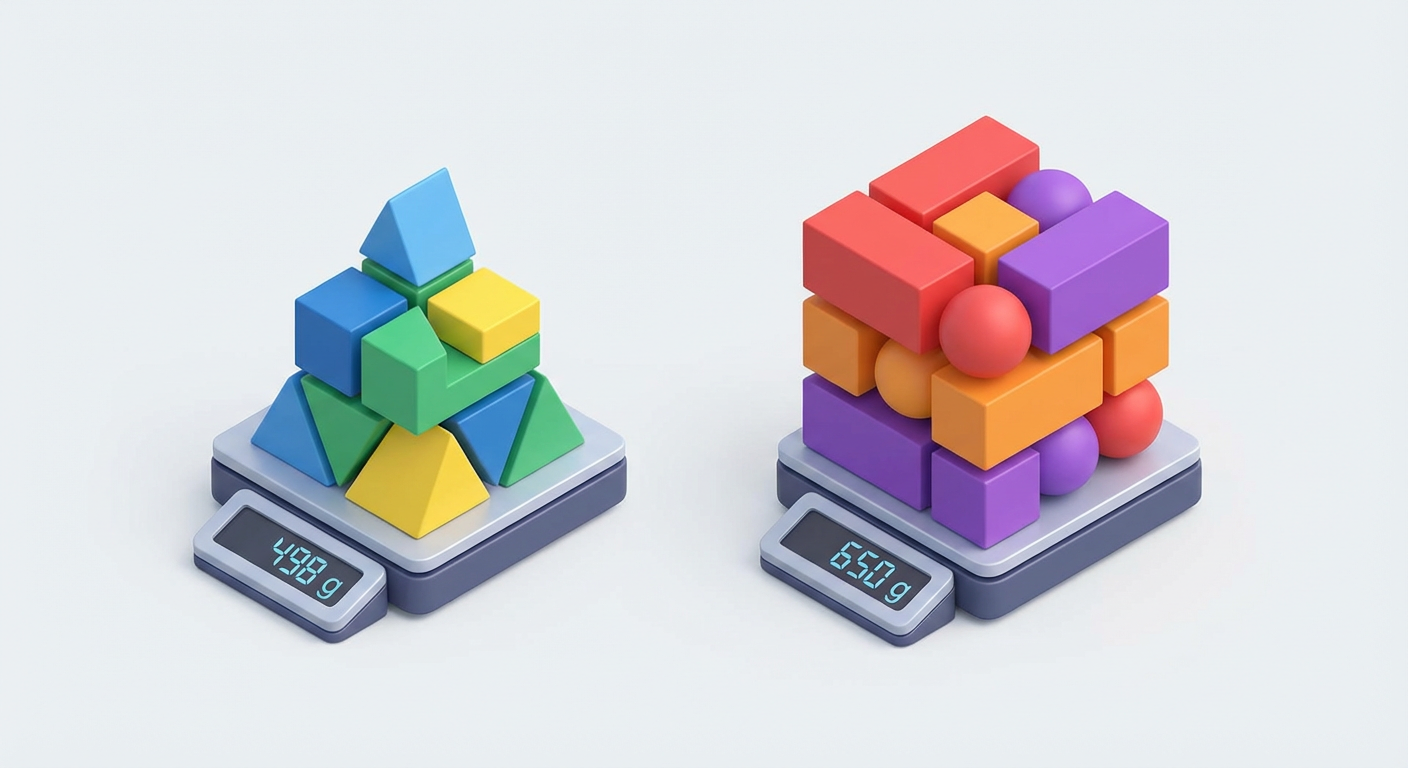
Let me tell you what 150 grams feels like. It’s the difference between wearing a winter hat and wearing a motorcycle helmet. The original Vision Pro clocked in at 650 grams, which sounds abstract until you’ve actually strapped that much weight to your face for longer than a demo session. The new one? 498 grams.
I got to try a friend’s unit last week. Not the sanitized Apple Store experience with its perfect lighting and hovering Genius, but real use in a real living room with real furniture and a cat who kept walking through my field of view. After forty-five minutes, I wasn’t thinking about the weight. With the original, I was calculating neck strain by minute fifteen.
This matters more than any spec sheet suggests. The difference between “wow, cool” and “I could actually use this daily” often comes down to these tiny physical realities. Like how the perfect coffee mug isn’t about the coffee at all, but about how it feels in your hands every morning at 6:47 AM when you’re only half awake.
The Productivity Angle I Wasn’t Expecting
Here’s where I surprise myself. I thought this would be about games or movies or some kind of social metaverse nonsense. Instead, I keep coming back to spreadsheets. Boring, beautiful spreadsheets floating in three-dimensional space.
Apple added native support for 47 productivity apps, including the full Microsoft Office suite. That sentence would have made me roll my eyes eighteen months ago. Now I’m imagining my quarterly budget review happening in a virtual space where I can literally walk around my data, manipulate charts with my hands, and maybe finally understand what my accountant means when she talks about cash flow visualization.
Last Tuesday, I spent three hours wrestling with a presentation that needed data from four different sources. Multiple monitor setup, constant window switching, that familiar feeling of losing track of which version of which file had the correct numbers. What if instead of managing windows, I could just arrange information in actual space? Pin the research here, draft slides there, reference materials floating wherever I need them.
It’s not revolutionary thinking. It’s just tired thinking. Tired of fighting with my tools instead of focusing on the work.
The Market Reality Check
Meanwhile, Meta’s Quest 4 captured 67% of the VR market in the fourth quarter of last year, according to IDC VR market share report Q4 2025. Those are crushing numbers that make Apple’s spatial computing vision look like expensive niche thinking.
But here’s what market share doesn’t tell you: sometimes the thing most people choose isn’t the thing that works best for what you specifically need. The Honda Civic outsells the Subaru Outback, but I still drive the Subaru because I need to haul camping gear and navigate muddy roads. Different tools, different jobs.
Meta optimized for gaming and social experiences. Apple optimized for work and creativity. The question isn’t which company won some abstract market battle. The question is whether Apple’s bet aligns with how I actually spend my days.
And increasingly, the answer feels like yes. Even at $2,499, even knowing I’d be part of a smaller user base, even with that voice in my head asking if I’m just finding elaborate ways to justify wanting a new gadget.
The 4.5-Hour Question
Battery life jumped from 2 hours to 4.5 hours of continuous use. That’s the difference between a coffee meeting and a cross-country flight. Between a quick demo and an actual work session. Between “this is neat” and “this might actually change how I do things.”
Four and a half hours gets me through my typical deep work block. It covers most client calls, creative sessions, and those marathon writing stretches where I lose track of time anyway. It’s not all-day computing, but it’s enough-for-now computing.
And maybe that’s the real shift in my thinking. I keep waiting for technology to be perfect, complete, ready for every possible scenario. But most useful tools aren’t universal solutions. They’re good enough solutions for specific problems at specific moments.
So here I am, actually considering this thing. Not because Apple suddenly solved every possible concern about spatial computing, but because they solved enough of my actual concerns to make it worth trying.
What am I missing here? What questions should I be asking that haven’t occurred to me yet? Because despite everything I’ve written, I’m still not entirely sure this isn’t just elaborate rationalization for wanting something shiny and new. Help me think through this.