The Social Media Scroll of Doom
I used to check Instagram first thing in the morning. Not intentionally, mind you. It was more like muscle memory, the way your tongue finds that spot where you bit your cheek. Phone, unlock, purple app, scroll. Every single morning for probably three years.
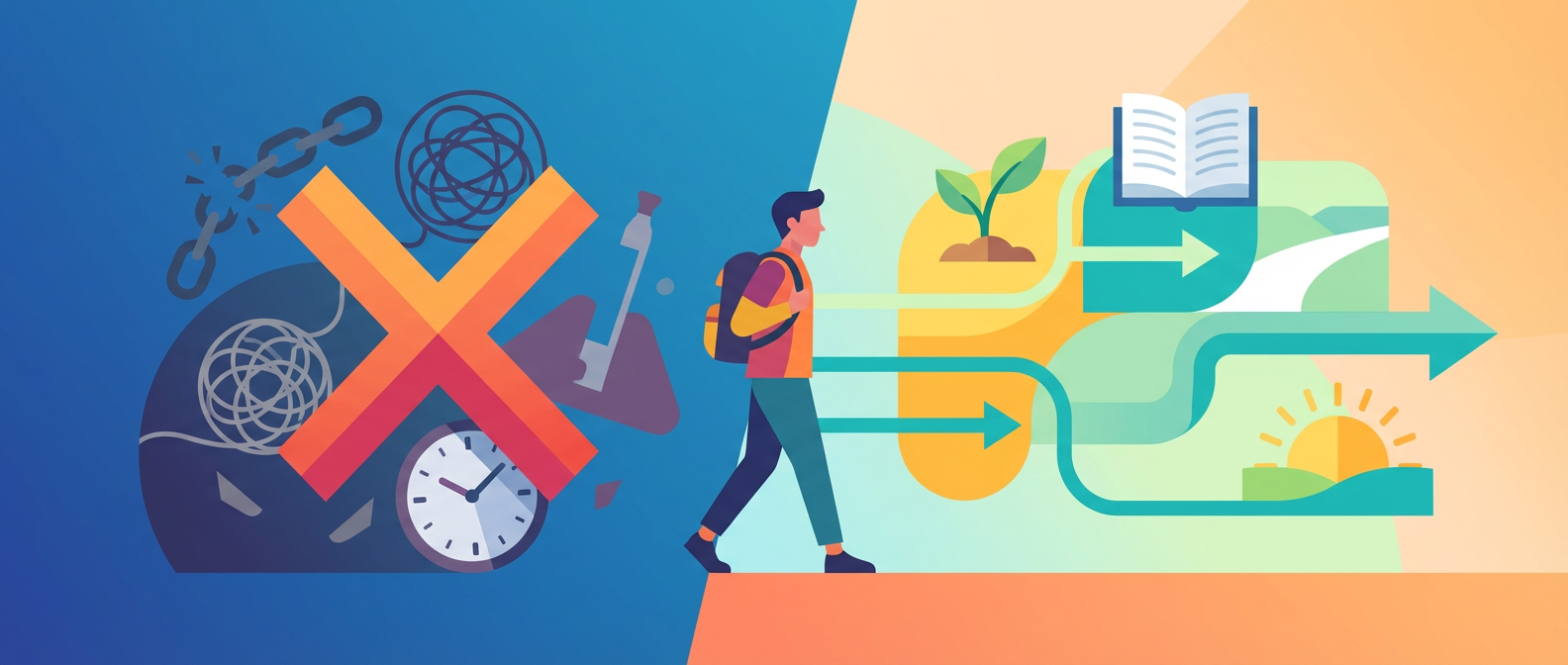
The breaking point came when I realized I was comparing my Tuesday morning bed head to someone’s wedding photos from Santorini. My brain had somehow decided this was a reasonable thing to do. Like comparing my grocery store banana to the Mona Lisa and wondering why mine wasn’t hanging in the Louvre.
I deleted the apps in February. Not some grand digital detox announcement or anything dramatic. Just quietly removed them like you’d throw out expired yogurt. The withdrawal was weird for about a week, then I started noticing things again. The way morning light hits my coffee mug. How my neighbor always waves exactly twice when she waters her plants. Small stuff, but it felt like putting on glasses after squinting for months.
The Yes Trap
There was a period where I said yes to everything. Book club, weekend hiking trips, dinner parties, volunteer committees, someone’s cousin’s art show opening. I thought this made me a good person, or at least an interesting one. Turns out it just made me tired and slightly resentful, like carrying everyone else’s groceries while yours spoil in the car.
The revelation hit during a birthday party for someone I barely knew, eating cake I didn’t want, making small talk about reality TV shows I’d never watched. I spent the entire evening calculating when it would be socially acceptable to leave. That’s when I realized I was living someone else’s social calendar.
Now I ask myself one question before committing to anything: “Do I actually want to do this, or do I just think I should want to do this?” The difference is sharper than you’d expect. Real enthusiasm feels different in your chest than obligation wearing a happy mask.
The Productivity Theater Performance
I used to be obsessed with productivity systems. Color-coded calendars, habit tracking apps, morning routines that required more equipment than a camping trip. I read blog posts about optimizing my sleep, my meals, my commute, my email signature. If there was a system for it, I tried it.
The irony was spending more time organizing my productivity tools than actually being productive. I had apps to track other apps. Spreadsheets for monitoring my habit-tracking spreadsheets. It was like building increasingly elaborate garages while your car sat in the driveway getting rained on.
The shift happened gradually. I started noticing that my best work came during the messiest periods, when I ignored the systems and just did the thing. Creativity doesn’t care about your color-coded calendar. It shows up when it shows up, usually wearing mismatched socks and demanding coffee.
These days I use a notebook and write down what needs doing. Revolutionary, I know. Sometimes I even use the back of an envelope. My productivity guru friends would be horrified, but my actual output has never been better.
The News Anxiety Spiral
I stopped reading news first thing in the morning about six months ago. This feels almost irresponsible to admit, like confessing I don’t floss or that I sometimes eat cereal for dinner. But hear me out.
My morning news routine had become a form of self-harm. Wake up, coffee, immediate injection of global catastrophe. Wars, climate disasters, political chaos, economic uncertainty. By 7 AM I was already carrying the weight of problems I couldn’t solve, in places I’d never been, affecting people I’d never meet.
Don’t misunderstand. Staying informed matters. But there’s a difference between being informed and being constantly alarmed. I realized I wasn’t actually more helpful to anyone by starting each day in a state of low-level panic about everything everywhere all at once.
Now I check news once a day, usually afternoon, when I’m mentally equipped to process it. I can still vote responsibly and have informed conversations without making anxiety my alarm clock. My care for the world didn’t diminish. My ability to function within it improved.
The Explaining Everything Compulsion
This one’s subtle, but it might be the most important. I used to feel compelled to explain and justify every decision, every opinion, every choice that differed from what someone might expect. Like I was constantly on trial and everyone was a potential juror.
Why did I leave the party early? Well, you see, I had this thing the next morning, and I’ve been really tired lately because of work stress, and also my friend Sarah said it would probably wind down early anyway, so I thought it would be fine if I just slipped out, and I did say goodbye to the host, though maybe she didn’t hear me because the music was loud…
Exhausting. Both for me and anyone within earshot. I was treating my own choices like they needed a defense attorney.
The truth is simpler and more freeing: most of the time, you don’t owe anyone an explanation for living your life in a way that works for you. “I’m heading out” is a complete sentence. “That doesn’t work for me” requires no footnotes. Your choices aren’t a dissertation requiring peer review.
Changing your mind about how you spend your time and energy isn’t failure. It’s actually evidence that you’re paying attention. The things I stopped doing weren’t necessarily bad things. They just stopped being my things. And that distinction matters more than I used to think it did.
What have you quietly stopped doing lately? Sometimes the most interesting conversations start with the things we’ve decided to leave behind.