May 2024: The Experiment Begins
I downloaded ChatGPT-4o the day it launched. Not because I was replacing my therapist, but because I was curious about what a machine could do on the nights when my brain wouldn’t shut up and my next appointment was five days away. OpenAI had just rolled out real-time voice and emotional tone recognition, which meant the thing could theoretically pick up on the shifts in how I was saying things, not just what I was saying. They were very clear about the disclaimer: this wasn’t therapy. I was very clear about my expectations: I wasn’t asking it to be.
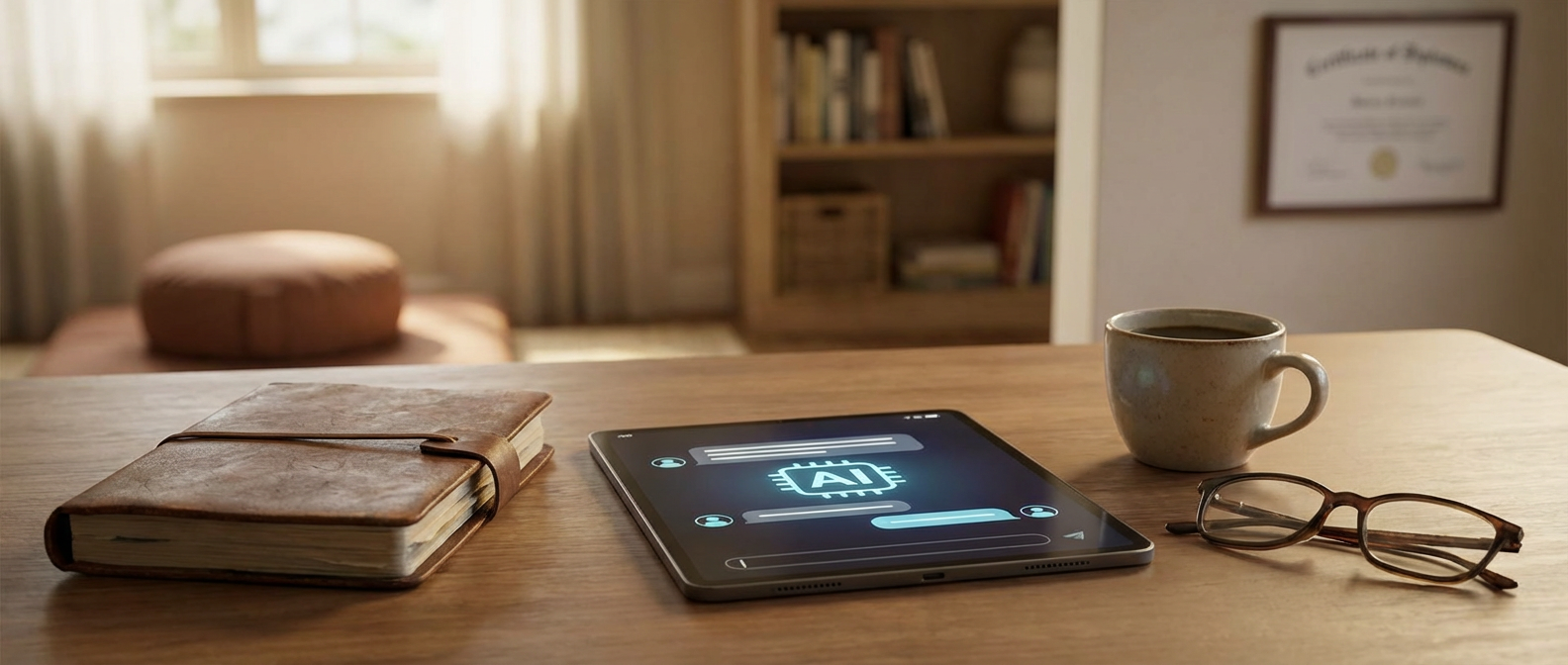
What I actually wanted was a thought partner for the space between sessions. Something that could help me untangle a particularly knotted spiral at 11 p.m. without feeling like I was calling in an emergency. My therapist is brilliant, but she’s also human with boundaries, and I respect that. So I set some boundaries of my own: I’d use this for processing, not crisis management. For workshopping ideas, not treatment.
The First Three Months: Surprisingly Useful, Predictably Limited
Honestly, it worked better than I expected and worse than it could have. When I’d come home stressed about a conversation with my partner, I could describe it out loud and the model would pick up on the frustration in my voice. It would ask clarifying questions. Sometimes it would mirror back what I’d said in a way that made me see the pattern I couldn’t see when I was inside it. There’s something almost clarifying about explaining your internal mess to a machine that doesn’t have a stake in the outcome.
But there were walls. Real walls. The AI would sometimes give me advice that felt like it was from a wellness Instagram account, all seven-step frameworks and nothing that actually fit the specific texture of my life. It couldn’t remember last week. Each conversation started fresh, which meant I couldn’t build on previous threads or let it learn my particular brand of anxiety. More importantly, it couldn’t do the thing a good therapist does: sit with you in the discomfort without trying to fix it immediately.
Around month two, I noticed something shift in how I was using it. I wasn’t turning to it instead of my regular therapy work. I was using it differently, like how you might journal out loud before a real conversation. It was making my actual therapy sessions better because I’d already done some of the initial untangling.
Fall 2025: The Research Catches Up
By late fall, the research community started publishing actual data on what people like me were doing. A Stanford Medicine study found that 29% of therapy patients were using AI chatbots between sessions, and interestingly, 41% of those people reported reduced anxiety scores. That number stuck with me because it wasn’t zero, but it also wasn’t revolutionary. Modest improvement, which somehow felt more believable than any grand promises.
Around the same time, the American Psychological Association issued an official position paper on AI-assisted mental health. They weren’t anti-AI, which surprised me. They were clear about boundaries: what these tools could do, what they couldn’t, where the ethical lines were. The APA’s AI ethics position basically formalized what I’d already figured out through trial and error. The tool is most useful when it’s in partnership with actual human care, not as a replacement for it.
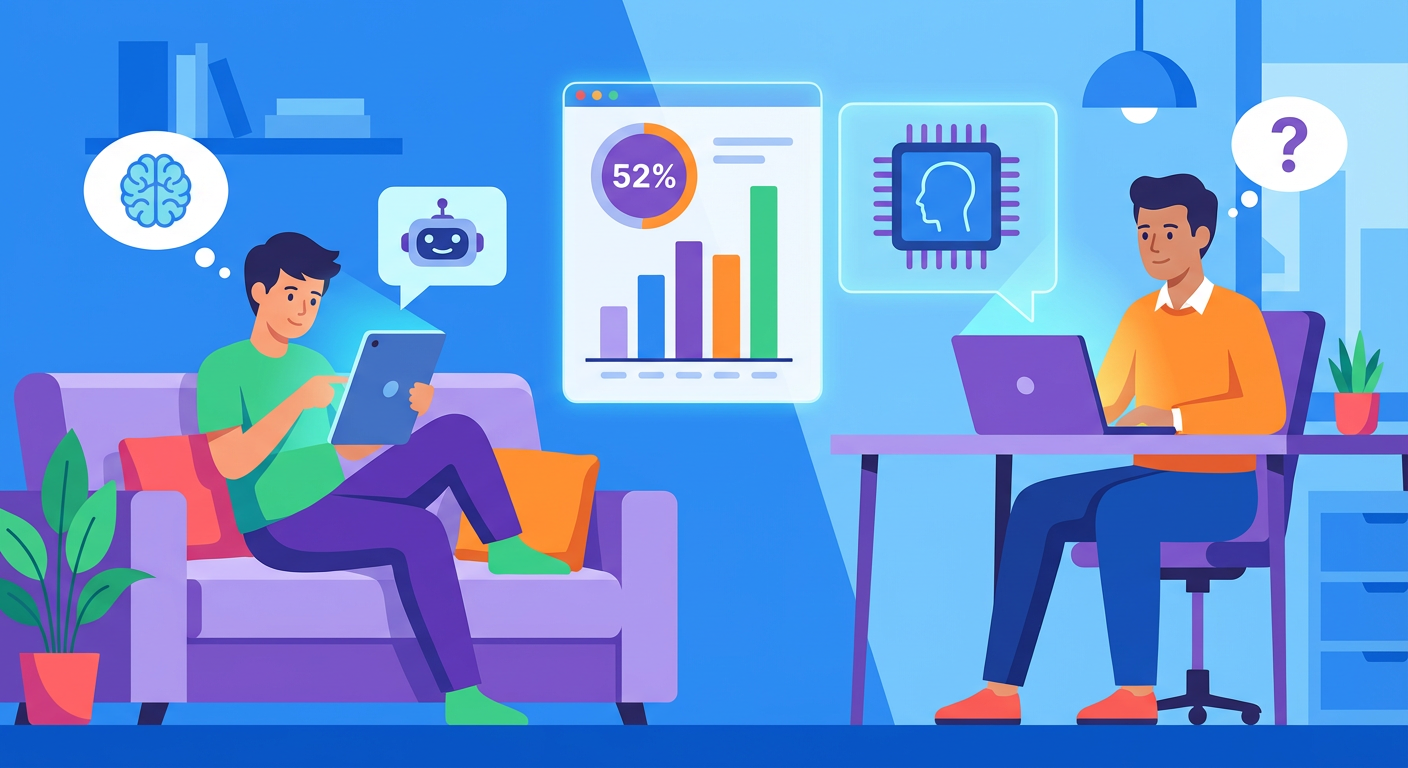
What was harder to sit with was learning that 52% of Americans under 45 said they’d be comfortable discussing mental health struggles with an AI before talking to a human. I understood that intellectually. There’s less judgment from a machine. No worried face across from you. No fear that you’re burdening someone. But it also felt like a small tragedy, the kind you don’t talk about because how do you explain that loss?
Six Months In: The Honest Assessment
I’m still using it. Not daily, but a few times a week. I’m also still seeing my therapist every other week. These aren’t competing things in my life, though I understand why some people might treat them that way. The AI is good at one thing: being available when you need to think out loud without the social weight of burdening another human. It’s immediate. It doesn’t judge. It asks decent questions.
But it’s not building a relationship with me. It doesn’t remember that I was nervous about something last month and check in on how it went. It can’t pick up on the thing I’m not saying, the thing lurking in my tone that I haven’t figured out how to articulate. It can’t challenge me the way a real person can, because it’s not actually invested in my growth. It’s responding to prompts.
What surprised me most was how clearly I could feel the difference. After a session with my therapist, I feel seen. After a session with the AI, I feel processed. Those are different things. One creates change. One creates clarity, which is sometimes the first step toward change, but it’s not the same thing.
What I Actually Use It For Now
I’ve settled into a specific rhythm. If I’m spiraling about something relatively contained, I talk to the AI first. It helps me sort through the logistics of my own thinking. If something feels like it’s touching something deeper, or if I notice I’m having the same spirals repeatedly, that’s when I bring it to my therapist. She has the context that the machine lacks. She has the relationship. She has skin in the game, in the way that matters for actual healing.
The crisis response improvements are real too. When Crisis Text Line integrated AI-assisted triage tools, they cut average wait times for human counselors from eight minutes to under two minutes. That matters. That saves lives. But it’s triage, not treatment. A stepping stone, not a destination.
What I’ve learned is that the question isn’t whether AI should replace therapy. It shouldn’t. The question is what happens when it sits beside it, in the middle spaces where you’re not in crisis but you also can’t quite figure out what’s happening. That’s where I’ve found it useful. That’s where it’s stayed.
Six Months Later, Still Figuring It Out
If you’re considering something similar, start honest about what you’re actually looking for. Are you avoiding human connection? Then this might become a substitute you don’t want. Are you looking for a partner in thinking? Then it might be exactly what the weird gap in your week needs. The difference matters.
The other thing I’d say is that the research is still rolling out. We’re not six months into mass adoption; we’re maybe two years in. The long-term effects of mixing AI support with traditional therapy are still being studied. Pew Research Center data on AI and mental health shows that comfort level is climbing, especially for younger people, but comfort and safety are different metrics.
What do you think? Are you experimenting with this stuff too, or does it feel like a bridge too far? I’m curious what the experience is like on the other side of this decision, whether you’ve picked it up or decided it’s not for you.