The Small Things That Kept Me Tethered This Year

The 6:47 AM Coffee Ritual

Every morning at exactly 6:47, I make coffee the same way my grandmother did. Not because I’m particularly sentimental, but because somewhere between grinding the beans and waiting for the water to boil, my brain stops racing long enough to remember I’m still human.

The Small Things That Kept Me Tethered This Year

The timing isn’t intentional. It’s just when I naturally wake up, and I’ve learned not to fight it. Three scoops of beans, grind for exactly twelve seconds, pour the water in a slow spiral starting from the outside. The whole thing takes maybe four minutes, but those four minutes have become the difference between starting my day as a person versus starting it as a caffeinated anxiety machine.

This year taught me that rituals don’t have to be Instagram-worthy to matter. My coffee setup is aggressively mundane. A basic grinder, a pour-over cone that cost twelve dollars, mugs that don’t match. But consistency, I’ve discovered, is its own kind of luxury.

Tuesday Evening Grocery Store Wandering

Tuesdays at 7 PM, I go to the grocery store with no list. This drives my partner absolutely insane, which is honestly part of the appeal. I meander through aisles like I’m browsing a museum, picking up things that catch my eye. A jar of fig jam. Those weird crackers shaped like little fish. Bananas, always bananas, even though I already have bananas.

It started as procrastination, avoiding the pile of work waiting at home, but turned into something more deliberate. There’s something deeply grounding about touching actual objects, making small decisions that don’t matter much. Do I need this overpriced olive oil? Absolutely not. Will I buy it anyway because the bottle feels nice in my hands? You bet.

The grocery store on Tuesday evenings is mostly empty except for other wanderers like me. We nod at each other in the produce section, members of an unofficial club of people who’ve figured out that sometimes the best therapy is choosing between seventeen types of pasta sauce.

The 11:30 PM Email Delete

Right before bed, I delete every unimportant email from my phone. Not archive, delete. Promotional emails, newsletters I’ll never read, those automated messages that somehow multiply like digital rabbits. Gone.

It’s probably the most satisfying thirty seconds of my day. Select all, delete, repeat. My inbox goes from 247 messages to maybe 12. The number drops and I feel my shoulders literally relax, as if I’ve been carrying the weight of those unread subject lines in my actual body.

This ritual emerged during a particularly overwhelming stretch in March when my phone started feeling like a tiny handheld anxiety generator. The delete session became a way of drawing a line between today and tomorrow, clearing space for whatever chaos awaits. It’s like meditation, except more aggressive and immediately rewarding.

My friends think this is excessive. “Just turn off notifications,” they say, which misses the point entirely. It’s not about efficiency. It’s about the small act of taking control, of saying no to the digital clutter that piles up when you’re not paying attention.

Friday Afternoon Desk Archaeology

Every Friday around 3 PM, I clean my desk with the thoroughness of an archaeologist uncovering ancient civilizations. Layers of paper reveal the week’s story: Tuesday’s failed attempt at organization, Wednesday’s stress eating (crumb evidence), Thursday’s burst of productivity (color-coded notes that made perfect sense twelve hours ago).

I find things I’d forgotten losing. Pens that work. Receipts from places I definitely went to but can’t remember why. Post-it notes with cryptic reminders like “call about thing” and “remember the sandwich situation.” Each discovery feels like finding money in old jacket pockets.

The ritual isn’t really about cleanliness. By Tuesday, the desk will be chaos again. It’s about creating a pause, a small ceremony marking the end of one week before stumbling into the next. Something about handling each item, deciding its fate, makes me feel like I have more control than I probably do.

Sunday Night Sock Drawer Reset

Sunday evenings, while other people meal prep or watch prestige television, I reorganize my sock drawer. This sounds deeply boring because it is deeply boring, and that’s exactly why it works.

I pair up the strays, fold everything into neat little bundles, arrange them by color in a way that will last exactly three days before entropy takes over again. It’s the most pointless kind of organization, and somehow that makes it perfect. No one’s grading my sock arrangement. There’s no productivity hack here, no life optimization.

The repetitive motion of folding, the small satisfaction of matching patterns, the complete lack of stakes, it all adds up to something surprisingly calming. My mind wanders to the week ahead, but gently, without the usual anxiety. Just me and my socks, achieving nothing important together.

These rituals aren’t revolutionary or particularly wise. They’re just small ways I’ve learned to create pockets of stability in a year that often felt like being inside a washing machine. They work because they’re mine, and they’re consistent, and they ask nothing of me except showing up. If you’ve found your own version of these small anchors, I’d love to hear about them. What keeps you tethered when everything else feels like it’s spinning?

Arknights Endfield Rewrites Open World Gaming Rules With 35 Million Pre-Launch Players

The short version: this matters more than the headline suggests.

Arknights Endfield Rewrites Open World Gaming Rules With 35 Million Pre-Launch Players

The Numbers Game: Understanding Mobile Gaming’s New Reality

Mobile gaming numbers tell stories beyond individual games or trends. When you really dig into what they mean, you often find something unexpected. Arknights Endfield pulled in thirty-five million pre-registrations before its January 2026 global launch. That’s not just hype. It’s proof of something changing in how players think about gaming across different devices.

I’ve watched this pattern before. Here’s what keeps striking me about it.

Mobile and console gaming have hit an inflection point. Players don’t see their phones as backup gaming devices anymore. They expect the same quality they’d get from their PlayStation or PC. Endfield’s pre-launch numbers back this up. People want complex gaming experiences, period. The device doesn’t matter as much as it used to.

Illustration for Arknights Endfield Rewrites Open World Gaming Rules With 35 Million Pre-Launch Players

Cross-Platform Gaming That Actually Works

Arknights Endfield launched on PlayStation 5, PC, iOS, and Android simultaneously. Day one cross-platform progression. No waiting for ports or dealing with separate save files. You can start on PS5, play on your phone during lunch, then continue on PC later. Your progress follows you everywhere.

Making this work technically is harder than it sounds. Getting consistent performance across such different hardware while keeping the visual quality intact? That’s a big engineering challenge. Most developers take shortcuts. Endfield didn’t.

This approach also tackles mobile gaming’s image problem head-on. Instead of being “a mobile game with console versions,” Endfield is a premium game that happens to run on mobile. That distinction matters more than you might think.

From Tower Defense to Open World: A Risky Evolution

Turning Arknights’ tower defense gameplay into an action RPG with open world exploration could have gone very wrong. Genre jumps this big usually fail. But the developers kept the tactical elements that made the original work, then built around them instead of replacing them.

The Terra universe setting helps here. By moving to Talos-II instead of staying in familiar territory, they can keep existing fans happy with lore connections while giving newcomers a fresh starting point. Smart move.

The crafting and base-building systems feel like natural extensions rather than random additions. You’re not just fighting, you’re establishing outposts, gathering resources, customizing your bases. These activities support each other instead of competing for your attention. When game systems work together this well, it usually means the developers spent serious time thinking through the connections.

Launch Rewards That Don’t Feel Like Traps

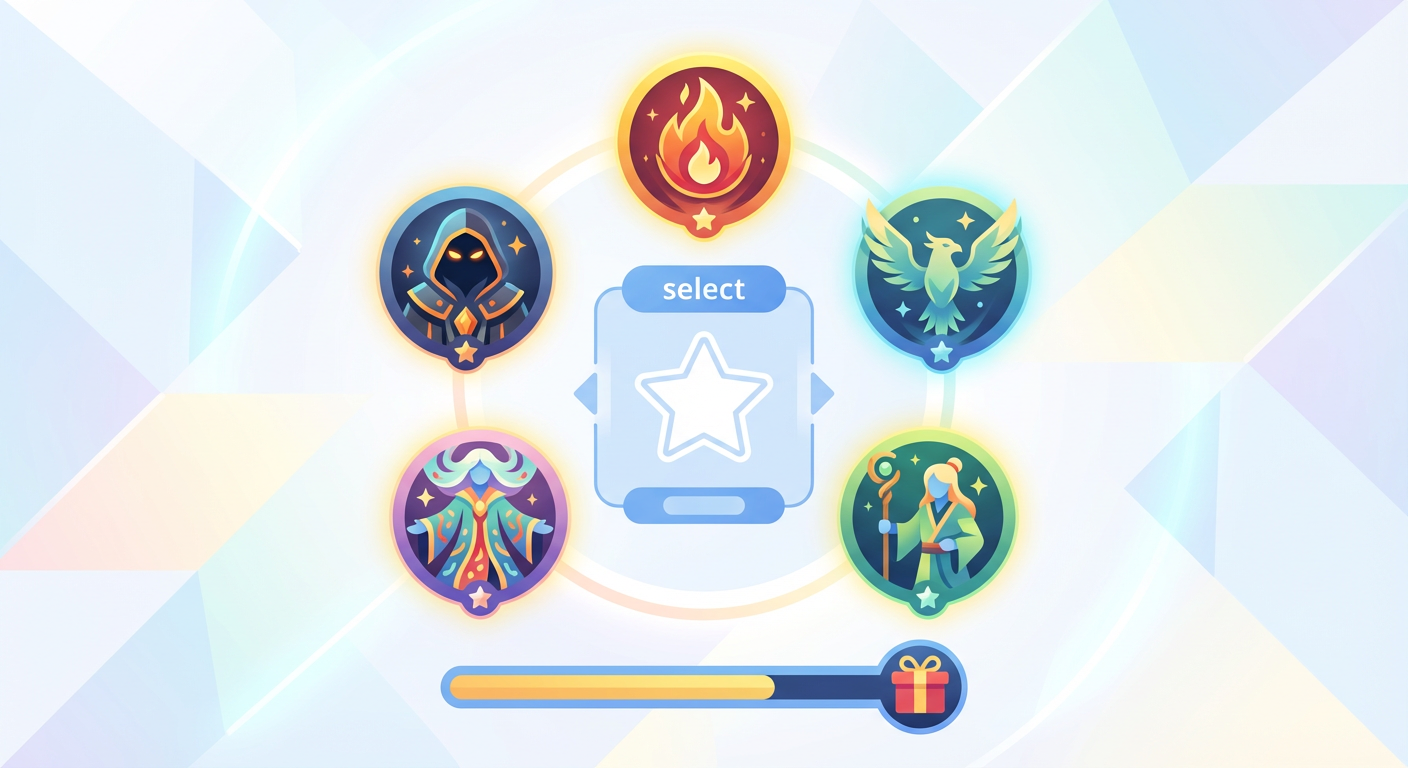
Getting a free six-star character selector with options like Pogranichnik, Last Rite, Ember, Lifeng, and Ardelia right at launch? That’s genuinely generous by mobile gaming standards. Most games make you grind for weeks or pay up front for access to top-tier characters.

This serves a practical purpose beyond goodwill. New players can experiment with different character types immediately. They can figure out their preferred playstyle before committing time to character development. For veterans familiar with gacha mechanics, it signals the developers care more about player experience than aggressive monetization.

Each six-star character represents a different tactical approach. The selection encourages experimentation with various strategies and team compositions. It’s smart design disguised as generosity.

Mobile Gaming Finally Grows Up

Arknights Endfield’s comprehensive cross-platform approach and ambitious scope set new expectations for mobile gaming. The Arknights Endfield official site looks like a major console release, while the HyperGryph developer page shows a studio pushing technical boundaries most mobile developers won’t touch.

The pre-launch success suggests players want more sophisticated mobile experiences. The old model of simple mechanics interrupted by constant monetization prompts is dying. Players expect more complex, engaging games that respect their time and money. This shift benefits everyone by raising industry standards.

Looking ahead, Endfield proves something important about gaming’s direction. As hardware gets more powerful and cloud gaming improves, the differences between mobile, PC, and console gaming will keep shrinking. Games like Endfield are figuring out the technical and design approaches that will define this merged future. Other developers will study what works here and build on it.

Staying current with gacha gaming and mobile entertainment changes happens fast. metatrend.app handles a lot of that tracking work, worth checking out if you follow these trends.

This is one perspective. Yours will differ. That difference is the point. Hit reply — I read everything.

The Art of Sucking at Everything (And Why I’m Finally Okay With It)

My Guitar Is Basically an Expensive Dust Collector

Three years ago, I bought a beautiful acoustic guitar. Spent more money than I care to admit on something that now is the world’s most melodious coat rack. I had visions of campfire sing-alongs and casual living room concerts that would make my friends go “wow, I had no idea you were so talented.”

Instead, my fingers still fumble over the simplest chord progressions. My calluses disappeared months ago. The guitar case has become a repository for random household items, and I’m pretty sure there’s a takeout menu from 2022 living in there somewhere.

Here’s the thing nobody talks about when they’re pushing you to “follow your passions”: some things you genuinely want to be good at will remain stubbornly out of reach. And that’s not a character flaw. It’s just Tuesday.

Meditation Apps Think I’m a Lost Cause

My meditation streak on Headspace lasted exactly four days. Four whole days of sitting cross-legged, trying to focus on my breath while my brain helpfully reminded me about that awkward thing I said in 2018 and whether I remembered to lock the front door.

The app keeps sending me increasingly desperate notifications. “Ready for inner peace?” No, Headspace, I’m ready for coffee and the crossword puzzle. “Your mind is calling.” Yeah, it’s calling to tell me I forgot to buy milk again.

I’ve tried guided meditation, walking meditation, meditation for sleep, meditation for focus. What I’ve discovered is that my brain has the attention span of a caffeinated squirrel, and apparently that’s just how we’re doing business up there. The meditation industrial complex can cope.

Cooking Shows Lied to Me About Everything

Gordon Ramsay makes a perfect risotto look like child’s play. Twenty minutes, he says. Simple technique, he says. What he doesn’t mention is that timing rice is apparently rocket science, and my risotto consistently achieves the texture of wallpaper paste with the occasional crunchy surprise.

I’ve burned pasta. Actual pasta. In boiling water. I’ve somehow managed to both undercook and overcook the same chicken breast, creating what can only be described as poultry jerky with a raw center. My smoke alarm has become my cooking timer, which seems inefficient but surprisingly effective.

The worst part isn’t the failed meals. It’s the mountain of cooking equipment I’ve accumulated, each purchase representing a moment of optimism that this would be the gadget that finally unlocked my inner chef. Spoiler alert: the garlic press did not change my life, despite what the Amazon reviews promised.

Yet I keep trying, because there’s something deeply satisfying about the possibility of making something delicious from scratch, even if that something usually ends up being a very expensive lesson in ordering takeout.

Running Continues to Disagree With My Body

Every January, I lace up my running shoes with the confidence of someone who definitely remembers how legs work. The first week goes okay. My body grudgingly remembers this whole “moving faster than a walk” concept, though it files several complaints with management.

By week three, my knees stage a formal protest. My right hip starts making sounds like an old door hinge, and my lungs seem personally offended by the entire enterprise. I research proper form, invest in better shoes, download apps that promise to turn me into a gazelle-like creature of athletic grace.

None of it works. I remain steadfastly average at best, more often resembling someone fleeing a crime scene than someone enjoying recreational exercise. But here’s what I’ve learned: the goal posts keep moving anyway.

First it was about speed, then distance, then consistency. Now it’s just about showing up, even if “showing up” means a very slow jog around the block followed by twenty minutes of questioning my life choices. And somehow, that feels more honest than pretending I’ll ever love it.

The Liberation of Mediocrity

There’s this weird pressure to be good at your hobbies, as if enjoying something requires measurable improvement. Social media doesn’t help. Everyone’s sharing their highlight reels: perfect sourdough loaves, marathon finish times, Instagram-worthy art projects.

But what about the rest of us? The ones whose sourdough starter died three times, whose marathon training peaked at a very enthusiastic 5K, whose art projects look like they were completed by a talented eight-year-old having an off day?

I’m learning to find peace in the amateur hour. There’s something refreshing about approaching activities with zero expectation of excellence. When you’re not trying to impress anyone, including yourself, you can actually pay attention to what you’re doing. The way flour feels between your fingers. The sound your feet make on pavement. The simple fact that you’re trying something, even badly.

Maybe the point isn’t to master everything we touch. Maybe it’s enough to show up, fumble around, and occasionally surprise ourselves with moments of accidental competence. After all, the world has plenty of experts. It probably needs more people willing to be beginners forever.

So here’s to all the expensive dust collectors, abandoned apps, and kitchen disasters. To the hobbies that humble us and the dreams that remain just out of reach. What are you learning badly these days? I’d love to hear about your own beautiful failures.

Things I Used to Do (And Why I Don’t Anymore)

The Death of My Daily News Habit

I used to start every morning the same way: coffee in one hand, phone in the other, scrolling through news apps like I was cramming for a test I’d never actually take. I told myself I was staying informed, being a responsible citizen. Really, I was mainlining anxiety before 8 AM.

Things I Used to Do (And Why I Don't Anymore)
Things I Used to Do (And Why I Don’t Anymore)

The breaking point came during one of those weeks where everything felt like breaking news. I realized I could recite the latest outrage but couldn’t tell you what my neighbor was up to. I knew the approval ratings of politicians I’d never vote for, but I’d forgotten my sister’s birthday was coming up.

Now I check news twice a week, intentionally. Tuesday and Friday, twenty minutes max. Turns out the world keeps spinning without my constant supervision. Who knew?

Illustration for Things I Used to Do (And Why I Don't Anymore)
Illustration for Things I Used to Do (And Why I Don’t Anymore)

Why I Quit Explaining Myself

I used to be the person who’d write paragraph-long texts explaining why I couldn’t come to something, complete with backup reasons in case the first ones weren’t convincing enough. “I can’t make it because I have this work thing, and also my car is making that noise again, plus I’ve been really tired lately…” You know the drill.

Then my friend Sarah started just saying “Can’t make it, have fun!” and somehow the world didn’t end. No one demanded a detailed breakdown of her evening plans or questioned her commitment to friendship. She just… said no and moved on.

I tried it once, heart pounding like I was defusing a bomb. “Can’t make it tonight, but thanks for thinking of me!” Send. The response? “No worries, next time!” That’s it. All those years of elaborate justifications, and apparently “no” was a complete sentence all along.

These days I save my explanations for when they actually add something useful. Like when I need to reschedule instead of just declining, or when someone might need to plan around my absence. Turns out people respect boundaries more when you’re not frantically defending them.

The End of Productive Procrastination

I had perfected the art of productive procrastination. Avoiding writing by organizing my desk. Dodging difficult conversations by deep-cleaning the kitchen. Putting off big decisions by researching them to death. I felt busy, even accomplished, while skillfully sidestepping anything that actually mattered.

The problem with productive procrastination is that it’s sneaky. Regular procrastination at least has the decency to feel obviously wrong. You know you’re being lazy when you’re watching TikToks instead of filing your taxes. But when you’re color-coding your calendar to avoid making that phone call? That feels responsible.

I started noticing the pattern when a friend asked what I’d been working on. I rattled off my recent achievements: reorganized my bookshelf by genre and publication date, researched seventeen different project management systems, cleaned out my email inbox. All impressive-sounding tasks that had consumed hours while the actual project sat untouched.

Now when I catch myself suddenly inspired to reorganize something, I pause. Ask myself what I’m avoiding. Usually there’s something lurking underneath that needs my attention more than my sock drawer needs alphabetizing.

Social Media: From Curator to Consumer

I used to approach social media like a part-time job. Crafting the perfect caption, timing posts for maximum engagement, maintaining a carefully curated aesthetic that supposedly represented my authentic self. The irony wasn’t lost on me, but I kept scrolling anyway.

The shift happened gradually. First, I stopped posting anything that required more than thirty seconds of thought. Then I stopped feeling obligated to document every mildly interesting moment. Eventually, I realized I was having better conversations in my comments than I was having in real life, which seemed backwards.

Now I treat social media like a magazine rack at the doctor’s office. I flip through when I’m waiting for something, see what friends are up to, maybe share something if it genuinely amuses me. No strategy, no schedule, no stress about whether my life looks interesting enough to strangers.

The weird thing? I’m enjoying other people’s posts more now that I’m not mentally comparing them to my own. Turns out it’s easier to appreciate someone’s sunset photo when you’re not simultaneously calculating how it might perform against your lunch picture.

Learning to Let Things Be Imperfect

I used to revise emails like I was submitting them for publication. Reread texts before sending them. Practice casual conversations in my head until they sounded natural, which obviously defeated the purpose entirely. Everything had to be just right, even things that didn’t matter.

This extended beyond communication into everything else. I’d reorganize my grocery list by store layout, then reorganize it again by meal planning logic. I’d spend twenty minutes choosing what to wear to the hardware store. I turned simple tasks into elaborate productions, starring me as both director and critic.

The breaking point was realizing I’d spent longer editing a two-sentence response to a work email than it had taken my colleague to read and respond to the original message. The email wasn’t important. The topic wasn’t controversial. I was just trying to optimize something that was already fine.

Now I operate on the “good enough” principle for anything that isn’t genuinely important. Typos in text messages? Send them anyway. Outfit not perfect for grocery shopping? Nobody at the produce section is taking notes. Save the perfectionism for things that actually benefit from it.

Changing your mind about your own habits turns out to be surprisingly liberating. You realize how much energy you’ve been spending on things that don’t actually improve your life, just your anxiety levels. If you’ve been doing something just because you’ve always done it, maybe it’s worth asking why you started in the first place. Sometimes the best reason to stop doing something is that you never had a good reason to start.

The Productivity Paradox: Why the Anti-Hustle Movement Is Missing the Point

The Great Workplace Rebellion Has a Productivity Problem

The term “quiet quitting” entered our vocabulary in 2022, and four years later, it’s still dominating workplace discussions. Workers are drawing boundaries, rejecting overtime culture, and doing the bare minimum required by their job descriptions. Meanwhile, companies are experimenting with four-day work weeks, with over 60 studies showing either neutral or positive productivity outcomes. This sounds like a win-win situation, right?

The Productivity Paradox: Why the Anti-Hustle Movement Is Missing the Point

Wrong. We’re solving the wrong problem entirely.

The anti-hustle movement has created a false choice between grinding yourself into dust and phoning it in. We’ve swung from toxic productivity culture straight into productivity nihilism. Both extremes miss what actually matters: doing meaningful work effectively without destroying your life in the process.

The Meeting-Free Mirage and Other Band-Aid Solutions

Companies like Basecamp have built their entire brand around anti-meeting culture, and Signal v. Noise has turned “no meetings” into a rallying cry for workplace reformers. This approach feels revolutionary until you realize it’s treating symptoms rather than causes. The problem isn’t meetings themselves. It’s that most organizations have no idea what they’re trying to accomplish.

When you eliminate meetings without replacing them with better communication structures, you don’t get productivity. You get isolation, misalignment, and passive-aggressive Slack threads that accomplish nothing. The Cal Newport productivity writing movement understands this: the goal isn’t to eliminate collaboration, but to make it intentional and effective.

Similarly, the explosion of personal knowledge management tools like Obsidian and Notion, now used by millions, represents another well-intentioned misstep. These tools promise to organize your thoughts and streamline your workflow, but they often become elaborate procrastination devices. You spend more time perfecting your note-taking system than actually creating anything worthwhile.

Digital Minimalism as Productivity Theater

The dopamine detox and digital minimalism movements have gained serious momentum as counter-culture responses to always-on technology. Advocates delete social media apps, buy flip phones, and practice digital sabbaths. These approaches feel virtuous and often provide temporary relief from information overload.

But here’s the uncomfortable truth: most people using these techniques are running from the real challenge of building focus and attention. Deleting Instagram is easier than developing the discipline to use it mindfully. Buying a flip phone is simpler than learning to manage smartphone notifications intelligently.

The World Health Organization recognized burnout as an occupational phenomenon in 2019, giving official credibility to what workers had been experiencing for decades. This recognition was necessary and overdue. However, it’s led to treating burnout as an individual problem requiring individual solutions (meditation apps, digital detoxes, and wellness programs) rather than addressing systemic workplace dysfunction.

What Actual Productivity Looks Like in Practice

Real productivity isn’t about optimizing every minute or eliminating all friction from your day. It’s about consistently making progress on things that matter while maintaining your sanity and relationships. This requires three elements that both hustle culture and anti-hustle culture systematically ignore.

First, you need clarity about what you’re trying to accomplish. Not productivity for its own sake, but productivity in service of specific, meaningful goals. The Paul Graham essays on maker vs. manager schedules illustrate this perfectly. Different types of work require different approaches to time and attention.

Second, you need systems that work with your psychology rather than against it. This means understanding your energy patterns, building sustainable habits, and creating environments that support focused work. It’s less glamorous than either grinding 16-hour days or posting about your digital detox, but it’s infinitely more effective.

Third, you need boundaries that protect what matters without becoming rigid rules that prevent adaptation. The four-day work week trials succeed not because everyone works less, but because teams become more intentional about how they spend their time.

Beyond the Productivity Culture Wars

The real issue isn’t whether you’re team hustle or team anti-hustle. It’s that we’ve turned productivity into an identity rather than treating it as a skill. Your worth as a person isn’t determined by your output, but your ability to get important things done efficiently affects every area of your life.

The most productive people I know don’t fit neatly into either camp. They work intensely on projects they care about, then take real breaks. They use technology strategically rather than avoiding it entirely. They’ve learned to say no to good opportunities so they can say yes to great ones.

This approach requires more nuance than either “optimize everything” or “reject all optimization.” It means developing judgment about when to push hard and when to ease up, which tools actually help versus which ones create busywork, and how to maintain focus without becoming obsessive.

Maybe the real productivity hack is admitting that there are no productivity hacks. Just the ongoing work of figuring out how to spend your limited time and energy on things that actually matter. What’s your experience been with finding that balance?